Exploring the Function of a Metal Foundry in Modern Manufacturing Processes
Metal foundries are critical in the landscape of modern production. They provide crucial components across various fields, adjusting to the demands of industries such as automobile and aerospace. Advanced techniques such as 3D printing and automated casting have transformed their operations. In addition, sustainability has become a priority, affecting their methods. As these foundries progress, the effects for producing effectiveness and innovation are substantial, questioning about their future trajectory in an ever-changing economic situation.
The Development of Metal Casting Strategies
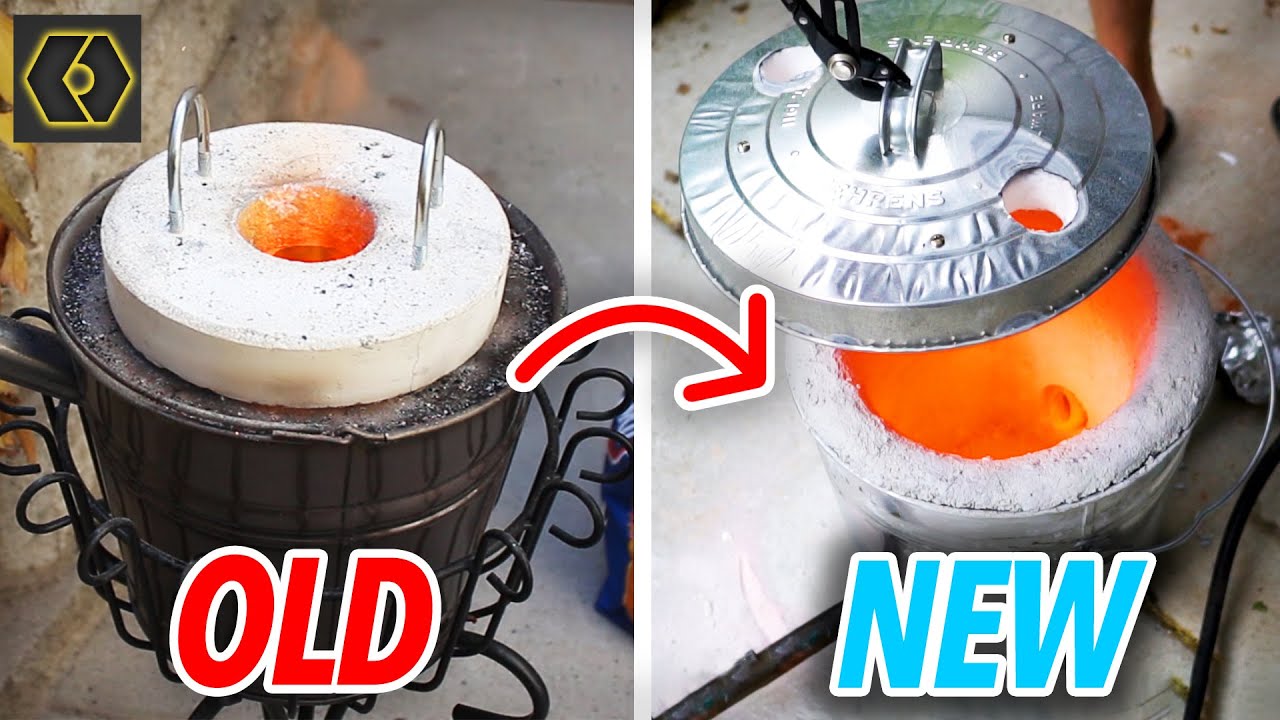
With the rise of automation, foundries embraced methods like die casting and shed foam casting, enhancing the manufacturing procedure and decreasing waste. Each development in metal casting techniques has dealt with the needs of various sectors, from vehicle to aerospace. As metal casting remains to advancement, the interaction between strategy and innovation stays vital in meeting modern-day manufacturing obstacles, making certain that foundries adapt and thrive in an ever-changing landscape.
Assimilation of Advanced Technologies in Foundries
Although traditional metal casting methods have actually offered the sector well for centuries, the integration of advanced modern technologies in foundries is changing the production landscape. Automation and robotics simplify manufacturing procedures, improving performance and reducing the threat of human error. When difficult with standard methods, technologies such as 3D printing allow for quick prototyping and the production of intricate geometries that were. In addition, data analytics and the Web of Points (IoT) enable real-time surveillance and anticipating maintenance, inevitably resulting in lowered downtime and increased performance. These developments also assist in customization, allowing suppliers to react quickly to market demands. As sustainability becomes a priority, the adoption of environmentally pleasant technologies, such as electric melting heaters and advanced sand reclamation systems, additionally demonstrates the market's dedication to technology. Collectively, these modern technologies not just boost functional effectiveness but also position foundries at the leading edge of modern manufacturing methods.
The Effect of Material Science on Foundry Operations
Product scientific research plays an essential duty in boosting foundry operations, affecting both the choice of materials and the general casting procedure. Advances in product scientific research offer a deeper understanding of the residential or commercial properties of metals and alloys, allowing foundries to pick one of the most ideal products for particular applications. This understanding enhances the performance and resilience of cast items, which is vital for fulfilling market standards.
Developments in product solutions and additives add to enhanced casting techniques, minimizing flaws and maximizing manufacturing performance. The development of innovative metal composites and smart products allows foundries to create lighter, stronger components, which are progressively searched for in numerous fields such as automobile and aerospace.
In addition, product scientific research aids in the recycling of steels, making processes a lot more efficient and economical. By leveraging the newest searchings for in material science, foundries can adjust to developing market demands, guaranteeing their competition in a swiftly changing manufacturing landscape.
Sustainability Practices in Modern Metal Foundries
With the expanding focus on environmental duty, modern-day metal foundries are increasingly carrying out sustainability practices to reduce their ecological footprint (Aluminum Foundry). More about the author One crucial technique includes the recycling of scrap metal, which not just minimizes waste yet also preserves energy and raw materials. Foundries are adopting innovative melting modern technologies that enhance power effectiveness, as a result reducing greenhouse gas emissions. In addition, making use of eco-friendly layers and products has actually obtained traction, further reducing damaging discharges during production
Water conservation techniques, such as closed-loop air conditioning systems, are being executed to reduce freshwater usage. Numerous foundries are additionally purchasing eco-friendly energy sources, like solar and wind, to power their operations, thus reducing reliance on fossil fuels. Furthermore, team training programs concentrated on sustainability techniques advertise a culture of environmental awareness within the workforce. These campaigns jointly contribute to an extra sustainable future for metal foundries while meeting the demands of eco-conscious consumers.
The Future of Foundries in a Transforming Financial Landscape
As the global economic climate progresses, foundries face a myriad of challenges and possibilities that will certainly shape their future (Aluminum Casting). The increasing need for light-weight materials and progressed alloys requires advancement in manufacturing methods and technical assimilation. Automation and clever manufacturing techniques are ending up being vital for improving effectiveness and decreasing operational costs. On top of that, the surge of sustainability worries forces foundries to embrace greener procedures and reusing initiatives, aligning with international environmental goals
The economic landscape is additionally changing, with supply chain interruptions and fluctuating basic material prices providing significant difficulties. Foundries should adjust by expanding their supply resources and buying products scientific research. Partnership with markets such as sustainable power and electric automobiles can cultivate development. Ultimately, the future of foundries will certainly depend upon their capacity to utilize technical innovations while staying receptive to market characteristics and environmental imperatives, guaranteeing their significance in contemporary production.
Often Asked Inquiries
What Kinds of Metals Are Typically Made Use Of in Foundries Today?
Generally used steels in foundries today include light weight aluminum, iron, zinc, copper, and steel. These materials are preferred for their diverse properties, making it possible for a vast Visit This Link variety of applications in sectors such as automotive, aerospace, and building and construction.
How Does a Shop Ensure Quality Assurance in Its Products?
What Safety Steps Are Applied in a Metal Foundry?
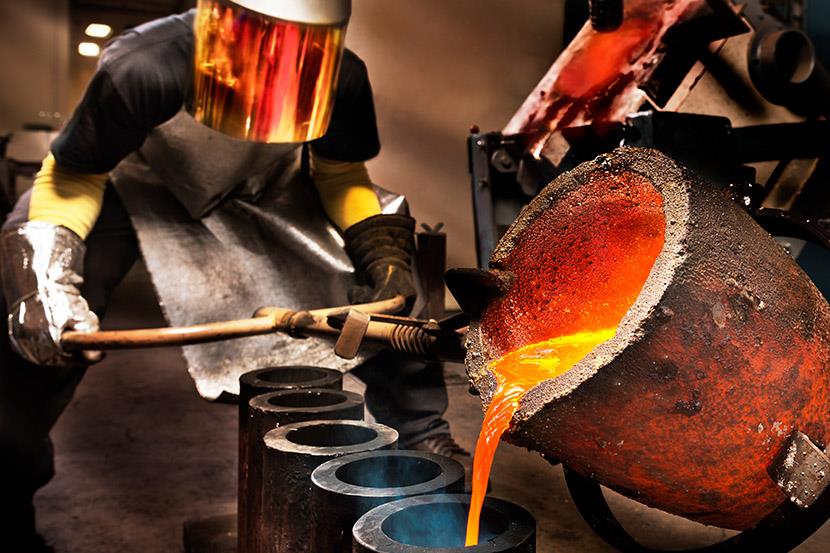
Metal foundries apply security measures consisting of individual safety devices, ventilation systems to reduce inhalation of fumes, routine security training for staff members, emergency situation response protocols, and rigorous equipment maintenance to decrease dangers and ensure a safe workplace.
For how long Does the Metal Casting Refine Commonly Take?
The metal casting process commonly takes several hours to days, depending upon factors such as the complexity of the mold, the type of metal used, and cooling down times. Each project's needs considerably affect the period.
What Industries Largely Rely Upon Metal Foundries for Production?
Automotive, building and construction, aerospace, and equipment markets mainly count on metal foundries for production. These fields utilize cast steels for components, making sure longevity and performance important for their corresponding applications in production and setting up procedures.
Metal foundries are crucial in the landscape of modern production. Metal Foundry. Conventional metal casting methods have actually served the market well for centuries, the combination of advanced technologies in foundries is revolutionizing the production landscape. Advancements in material scientific research offer a much deeper understanding of the buildings of alloys and metals, allowing foundries to pick the most ideal products for specific applications. With the expanding focus on ecological obligation, modern metal foundries are significantly applying sustainability practices to decrease their environmental footprint. Automotive, machinery, construction, and aerospace industries mostly depend on metal foundries for production
Comments on “Breaking down the innovations reshaping the Aluminum Foundry industry”